Toyota Tops Global Automaker List in 2025 with 11.32 Million Sales
Toyota sold 11.32 million vehicles worldwide in 2025, holding the top spot for the sixth year running. Hybrids made up 42% of sales, production rose despite chip shortages, and exports to the US boomed with the RAV4 leading the way.
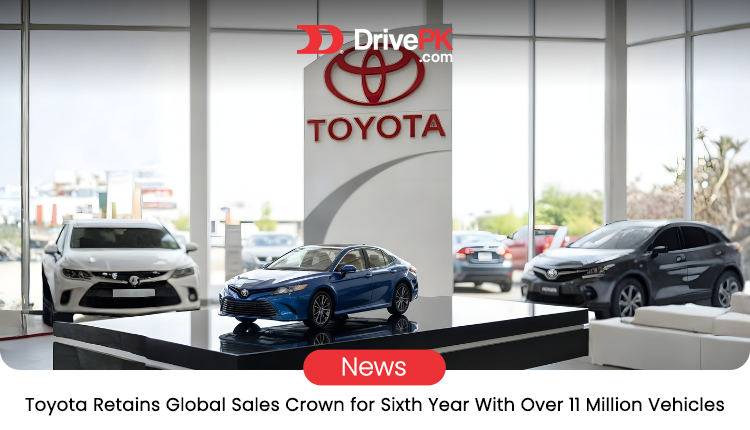
Table of Contents
- Hybrids Lead the Charge
- Volkswagen Slips to Second
- China and US Tell Different Stories
- Why This Matters for the Auto World
- What Comes Next for Toyota
- The Bigger Picture
Toyota Motor has done it again. For the sixth year in a row, the company finished 2025 as the world’s biggest automaker. Total global sales hit 11.32 million units, including Daihatsu and Hino brands. That’s a solid result in a tough market.
The numbers show steady growth. Production climbed 5.7% to 11.22 million vehicles. Supply chain headaches from semiconductors didn’t stop them. Toyota kept factories running and delivered more cars than the year before.
What stands out is the focus on hybrids. They accounted for 42% of total sales. People clearly want fuel-efficient options that don’t need a full charge. Fully electric vehicles stayed a small part of the mix. Toyota’s hybrid strategy paid off.
I’ve seen how hybrids appeal in places like Pakistan. Fuel prices hurt, and charging stations are still limited. A car that saves gas without plugs makes sense.
Hybrids Lead the Charge
Demand for hybrids drove most of the gains. Models like the RAV4, Corolla, and Camry hybrids flew off lots. Buyers like the balance of power, mileage, and no range anxiety.
Toyota didn’t chase pure EVs hard. They built on what works proven hybrid tech. It gave them an edge when many rivals pushed full electric lineups that faced slow sales.
This approach kept customers happy and dealers busy. In markets with high fuel costs or spotty electricity, hybrids feel practical. Toyota understood that better than most.
Volkswagen Slips to Second
Volkswagen couldn’t keep up. Their sales dropped to 8.98 million vehicles. That’s a clear gap behind Toyota.
Several factors hurt VW. Demand weakened in China, their biggest market. Competition is fierce, and buyers' preferences. US tariffs also hit hard, raising costs on imports.
The result? VW lost ground. Toyota widened the lead. It’s a reminder that global markets are unpredictable. One bad region can drag down the whole year.
China and US Tell Different Stories
China remains tricky for everyone. Toyota saw only modest growth there. They held steady, but didn’t explode.
The US told a brighter story. Exports from Japan surged. Popular models like the RAV4 drove the increase. American buyers love SUVs, and the RAV4 hybrid fits perfectly, spacious, efficient, and reliable.
That export boom helped balance softer spots elsewhere. Toyota’s lineup matched what US customers wanted. It shows how important it is to read local tastes.
Why This Matters for the Auto World
Toyota’s success highlights a few truths. Hybrids are still king for many buyers. Full EVs have potential, but adoption takes time. Infrastructure, price, and trust play big roles.
Supply chain issues linger, but Toyota proved you can grow anyway. Strong planning and flexible production help.
For rivals, the message is clear. Catch up on hybrids or risk falling behind. VW’s dip shows what happens when markets shift fast.
In places like Pakistan, Toyota vehicles are common on roads. The brand’s reputation for durability and resale value keeps it popular. These global wins reinforce that trust.
What Comes Next for Toyota
Toyota isn’t standing still. They’re investing in more hybrids and slowly adding EVs. The goal is to cover all bases, keep the hybrid core strong, while building electric options.
Export strength, especially to the US, should continue. If demand for SUVs stays high, the RAV4 and similar models will keep delivering.
Challenges remain. Chip shortages could return. Trade policies change quickly. Fuel prices and regulations shift, too.
Still, Toyota has momentum. Six straight years at the top isn’t luck. It's a smart strategy and consistent execution.
The Bigger Picture
The auto industry is changing. Electrification is coming, but hybrids bridge the gap. Toyota bet on that bridge and won big in 2025.
Consumers benefit from choice. Whether you want a hybrid or a full EV, options grow. Competition pushes everyone to improve.
For Toyota fans, 2025 was another strong year. The numbers prove the company knows what people need.
If you’re in the market for a new car, check out the hybrids. They’re efficient, practical, and backed by a leader who keeps winning. For more updates, visit DrivePK.com
Tags
Share this article
About the Author

Najeeb Khan
Automotive enthusiast and writer
Comments (0)
Login Required
You need to be logged in to comment on this article.
No comments yet. Be the first to share your thoughts!
Related Articles
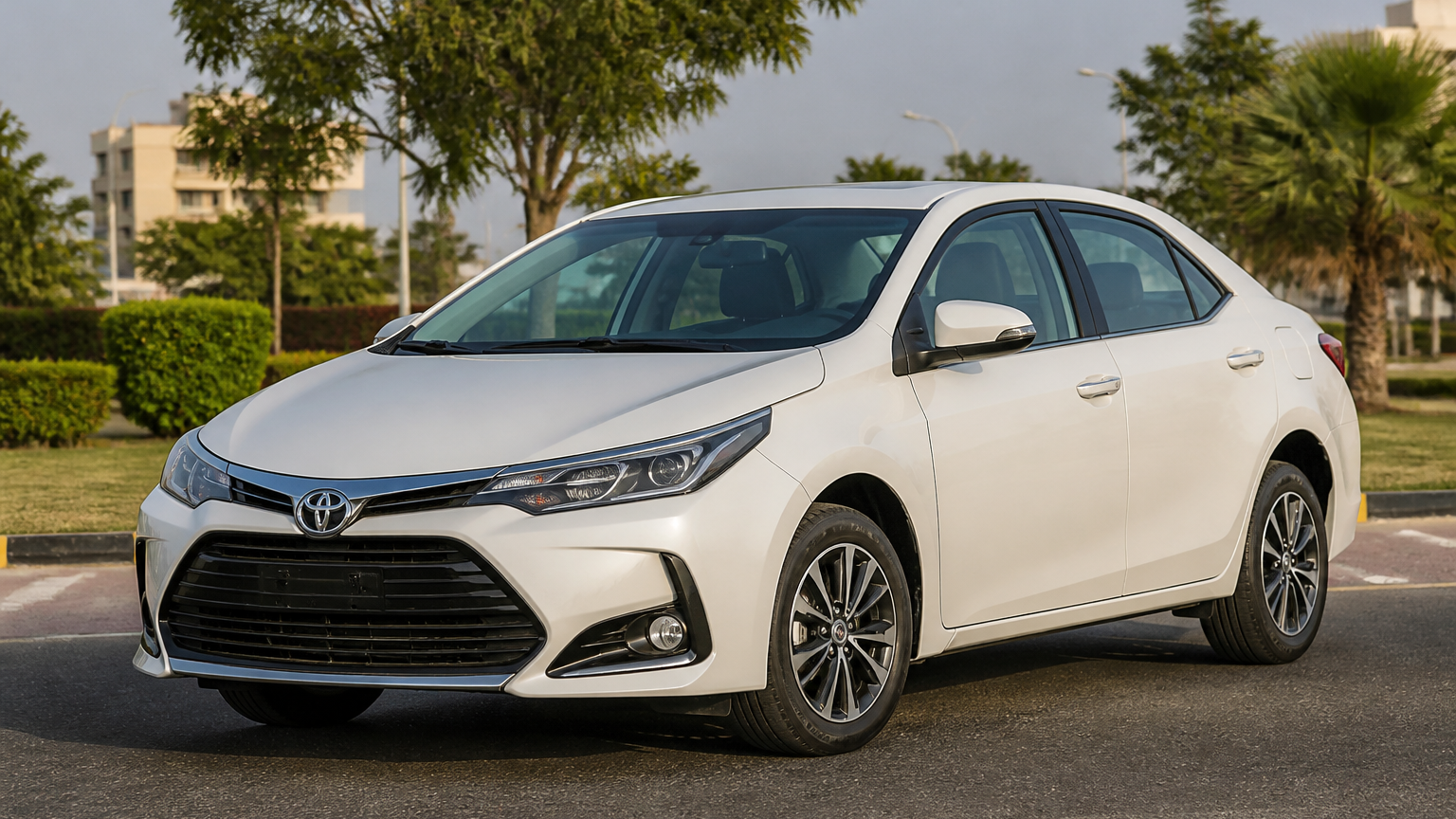
Toyota Corolla Discontinued Before Pakistan Facelift
Pakistan’s pre-facelift Toyota Corolla is reportedly discontinued, hinting at a facelift. Prices, bookings, specs and launch timing remain unconfirmed.
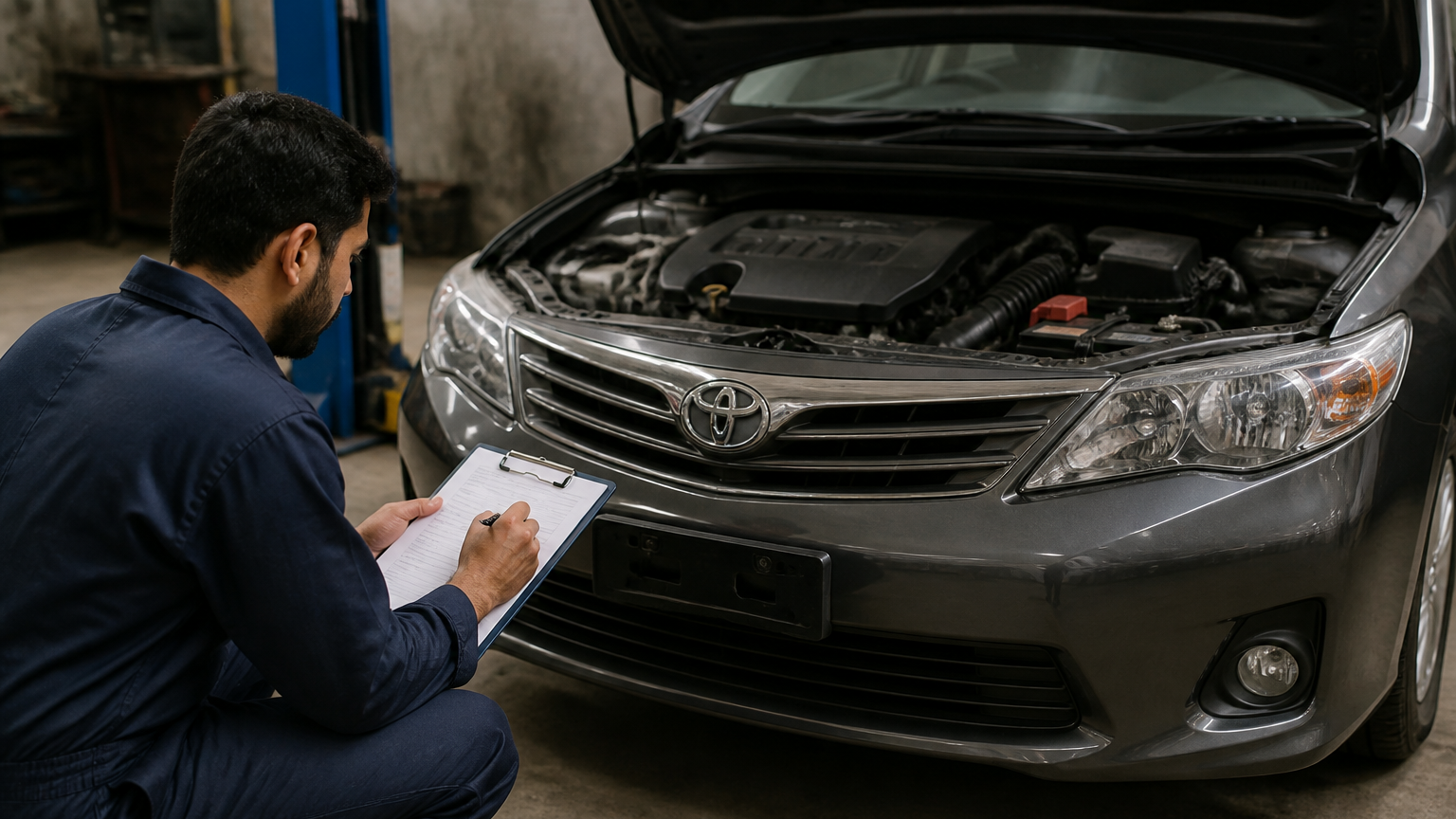
DrivePK Car Inspection Reports: Buy with Confidence
Buying a used car in Pakistan? A pre-purchase inspection can reveal hidden damage, engine issues and red flags before you pay—but it’s not enough alone.
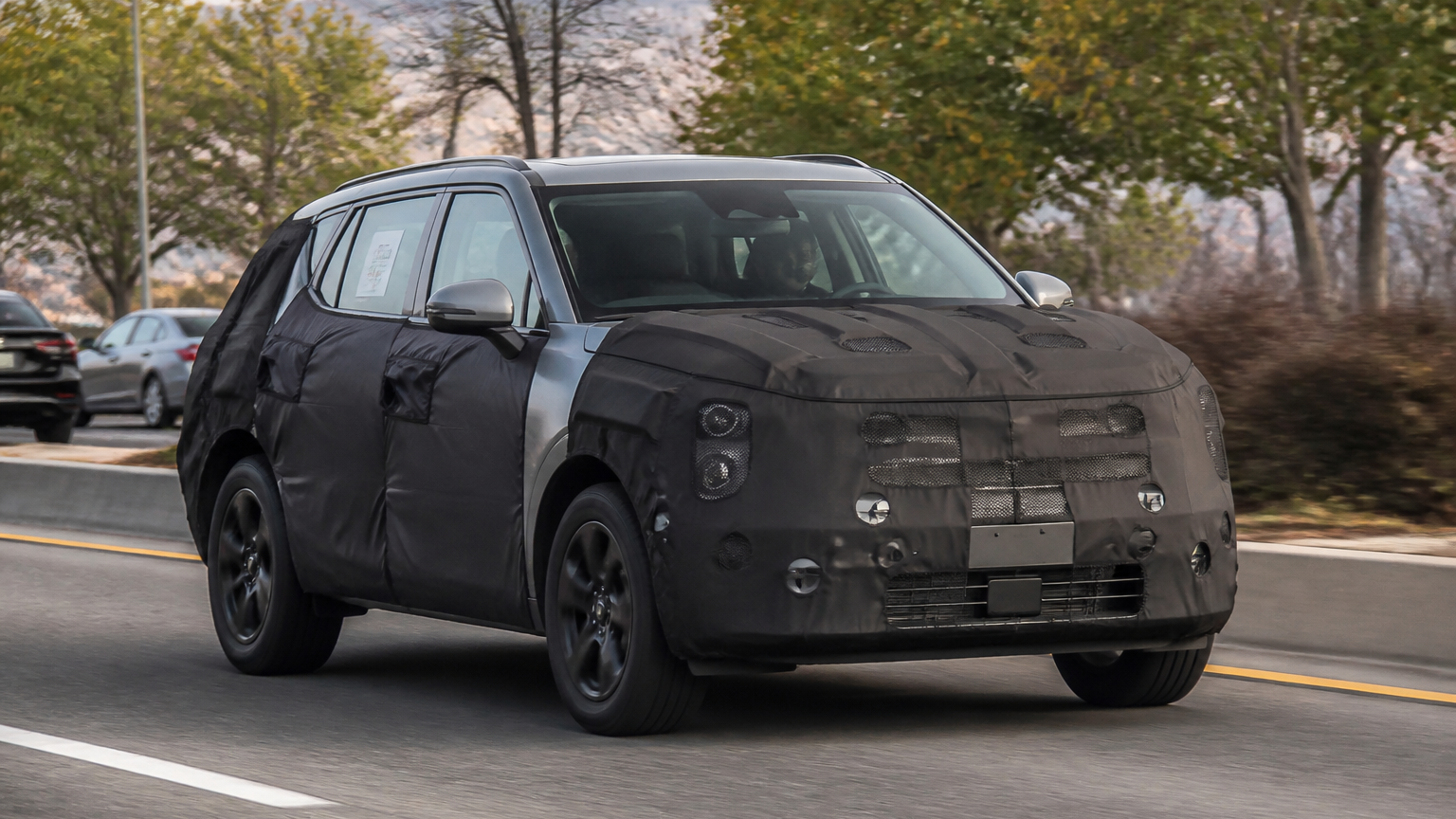
2028 Kia Sportage: Major Design Changes Spotted
Kia’s next Sportage may get a bolder, boxier redesign, with an upright profile, sharper lines, wider grille and split headlights hinted by spy shots.